Skip to content
Professional rodent monitoring station

Services

Identify the pest. Then solve it at the source.

Technicians qualified to BPCA standards follow careful protocols for homes and commercial sites. If you are unsure what you have found, send a description and we will help name it.

Insect control

Fast, discreet treatments with prevention built in.

We inspect, treat and advise. Surveys look for harbourage, moisture and entry points so the same insects are less likely to return. Products are chosen for the species and for the people who use the building.

Ant

Ants

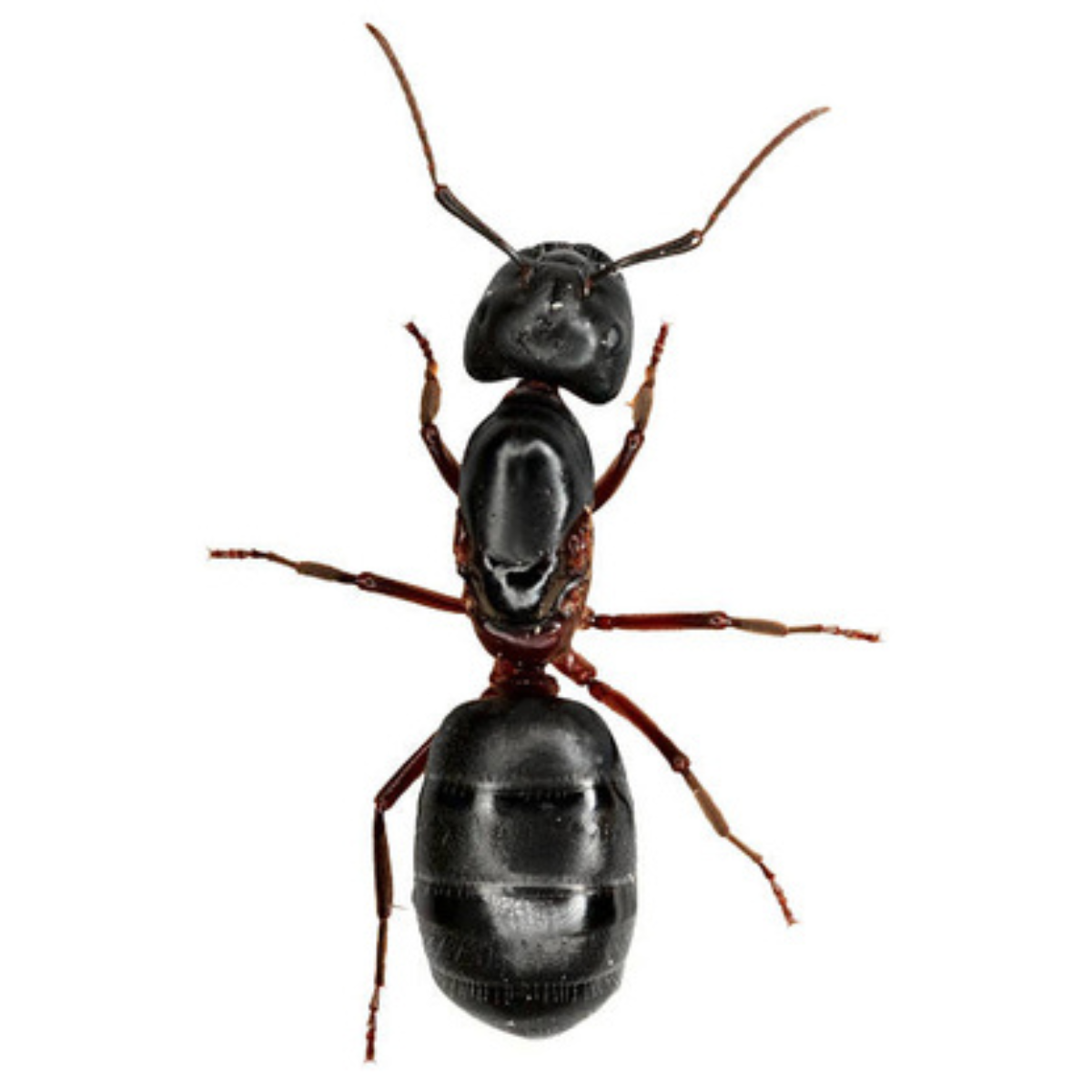
Black garden ants, pharaoh ants and red ants nest in soil, paving, wall voids and near food. Colonies follow sweet or greasy residues. We use gels, sprays or baits aimed at the nest, then recommend sealing and housekeeping that remove the reason they came inside.
Cockroach

Cockroaches

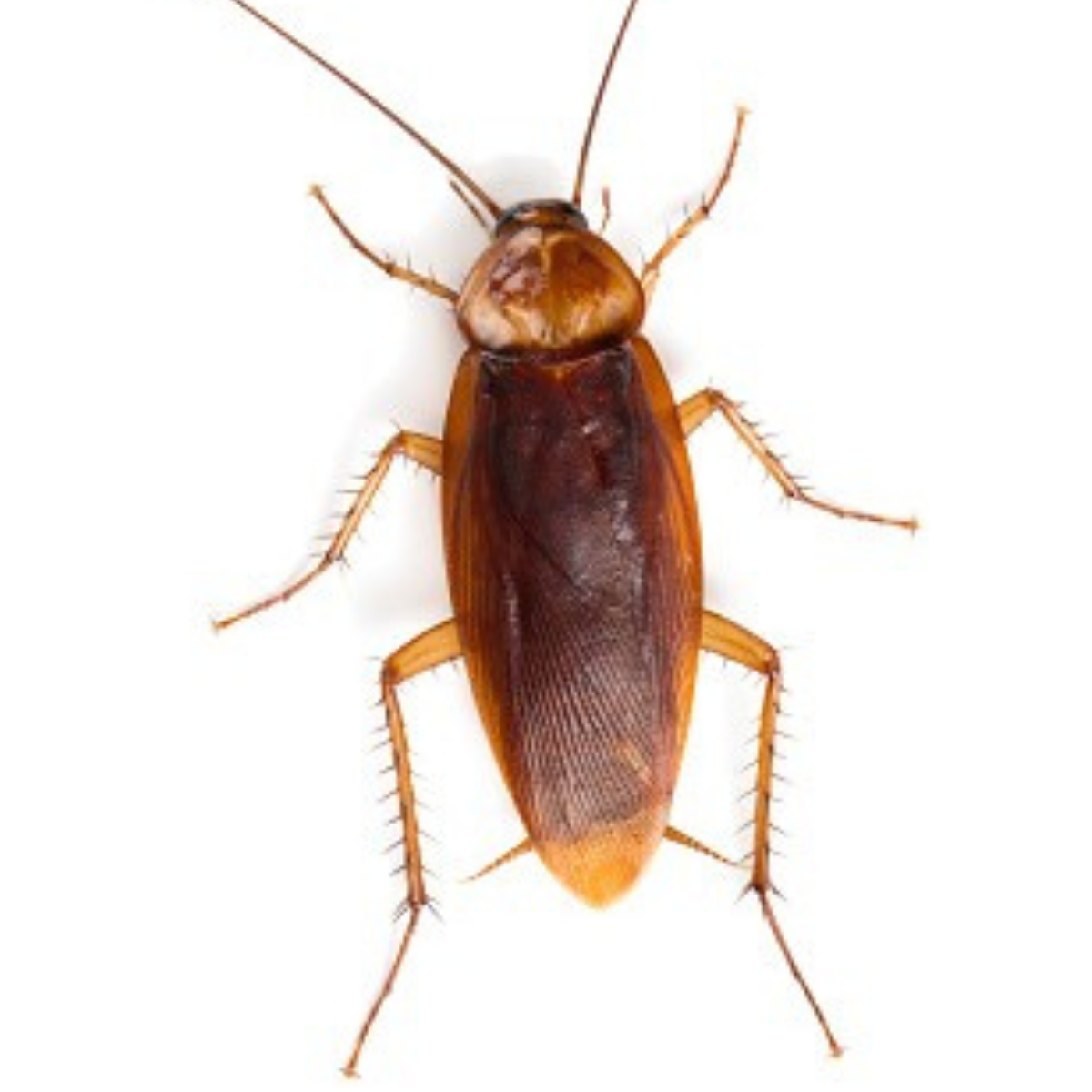
German and Oriental cockroaches favour warm, humid plant rooms, kitchens and ducts. They are mostly nocturnal, so a daytime sighting often means a larger population. Monitoring, targeted baiting and hygiene actions are planned together.

Wasp

Wasps

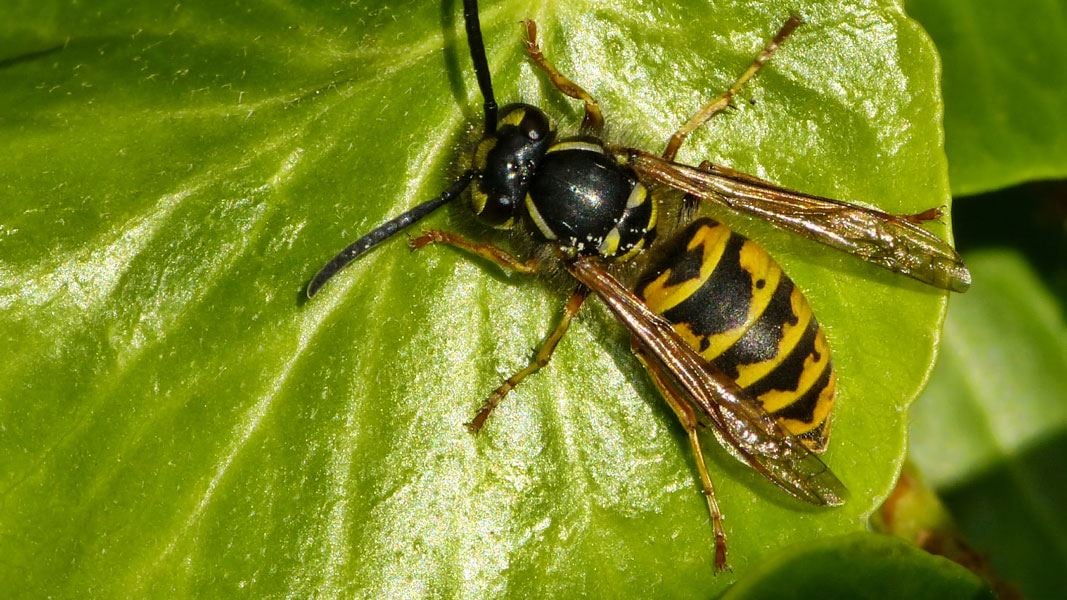
Nests in lofts, eaves and outbuildings become a sting risk by midsummer. We locate the nest, treat it safely and advise when the structure can be removed. Thermal imaging helps when the nest is hidden behind cladding.

Bed bug

Bed bugs

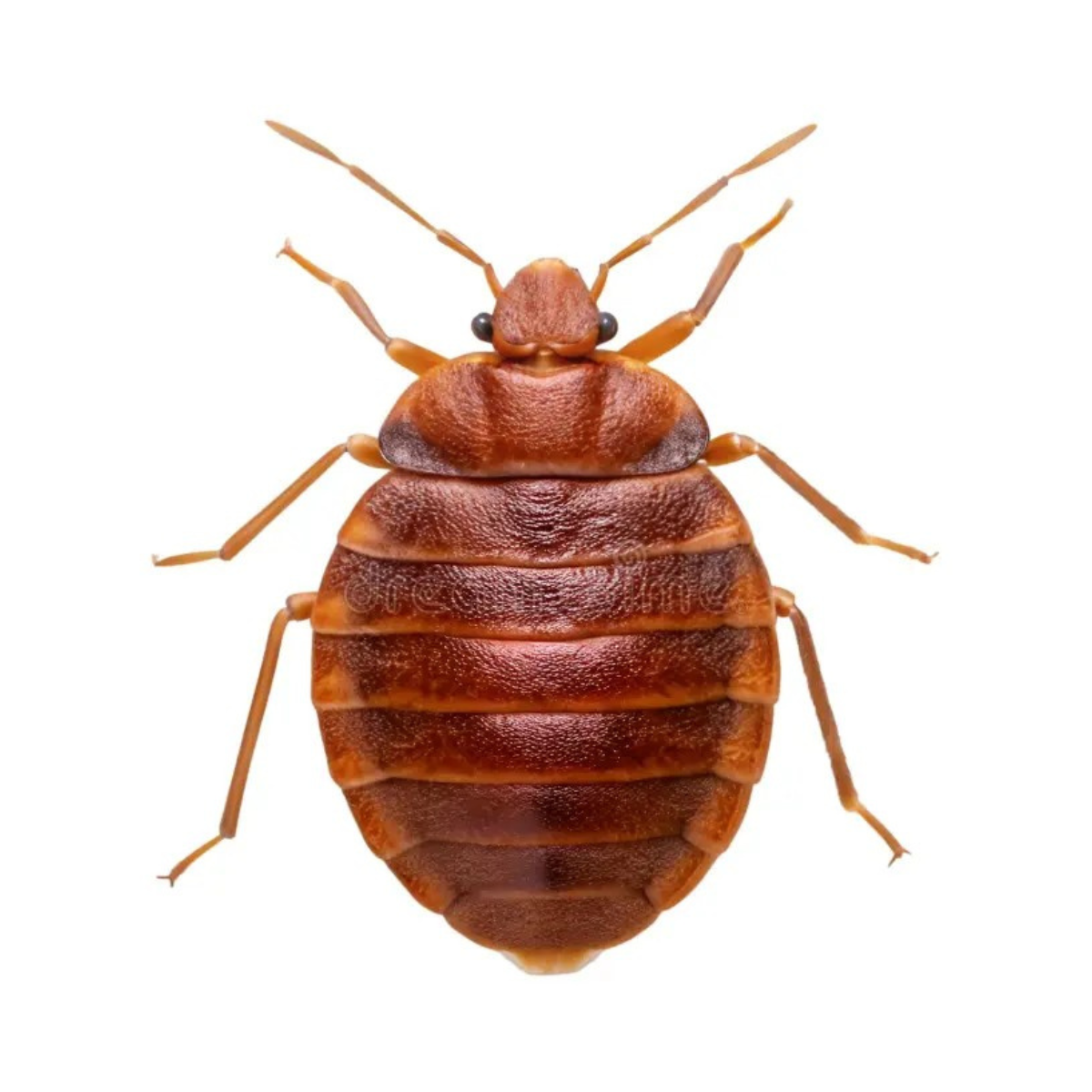
Hotels, housing and homes need a discreet, thorough programme. We inspect seams, furniture and nearby rooms, then schedule treatment that matches how the room is used. Preparation guidance is given before the visit so the work actually reaches the harbourages.

Flea

Fleas

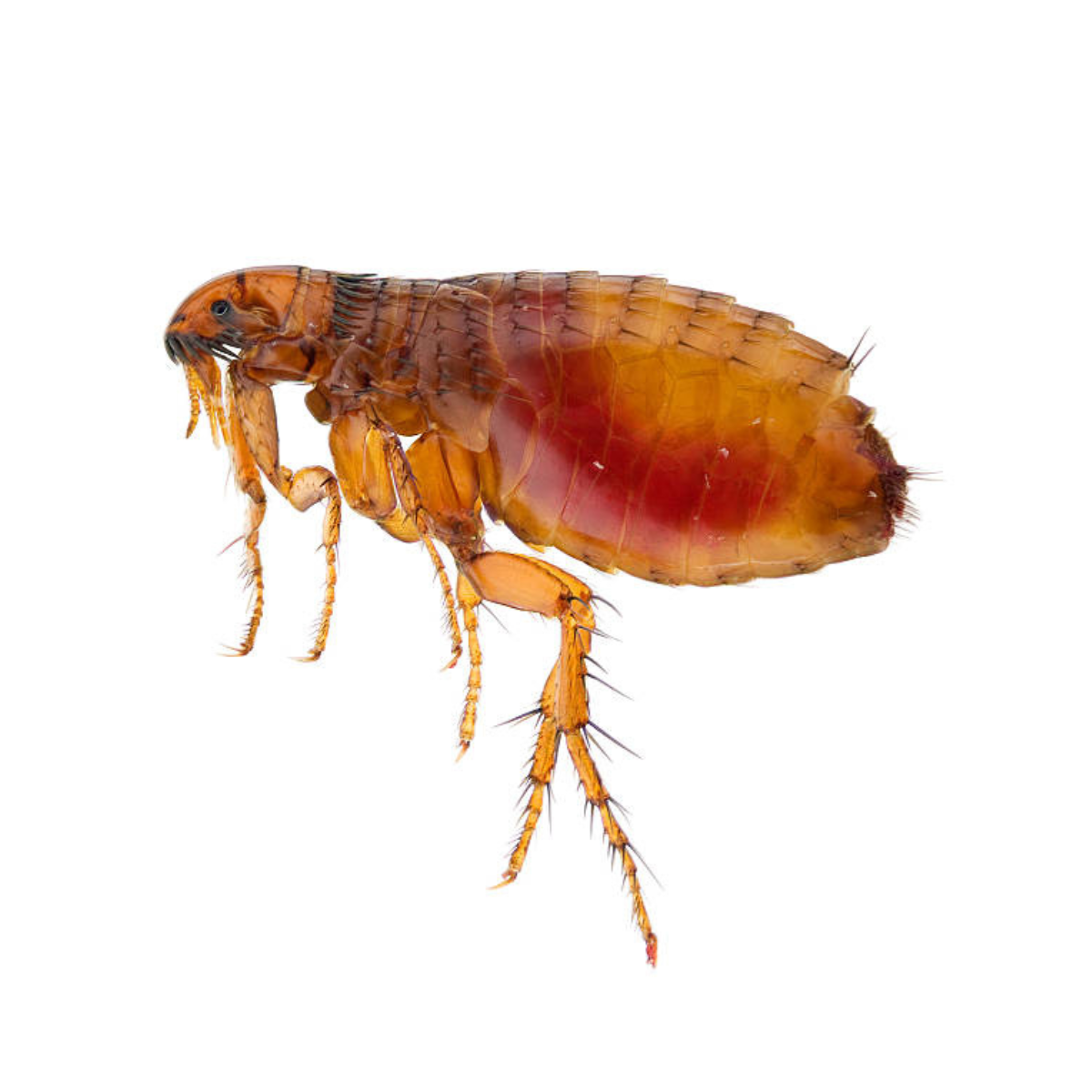
Fleas persist in carpets and pet bedding long after animals have been treated. We treat the environment and explain the pet-care steps that stop a fresh wave of eggs hatching in the same rooms.

Clothes moth

Moths and beetles

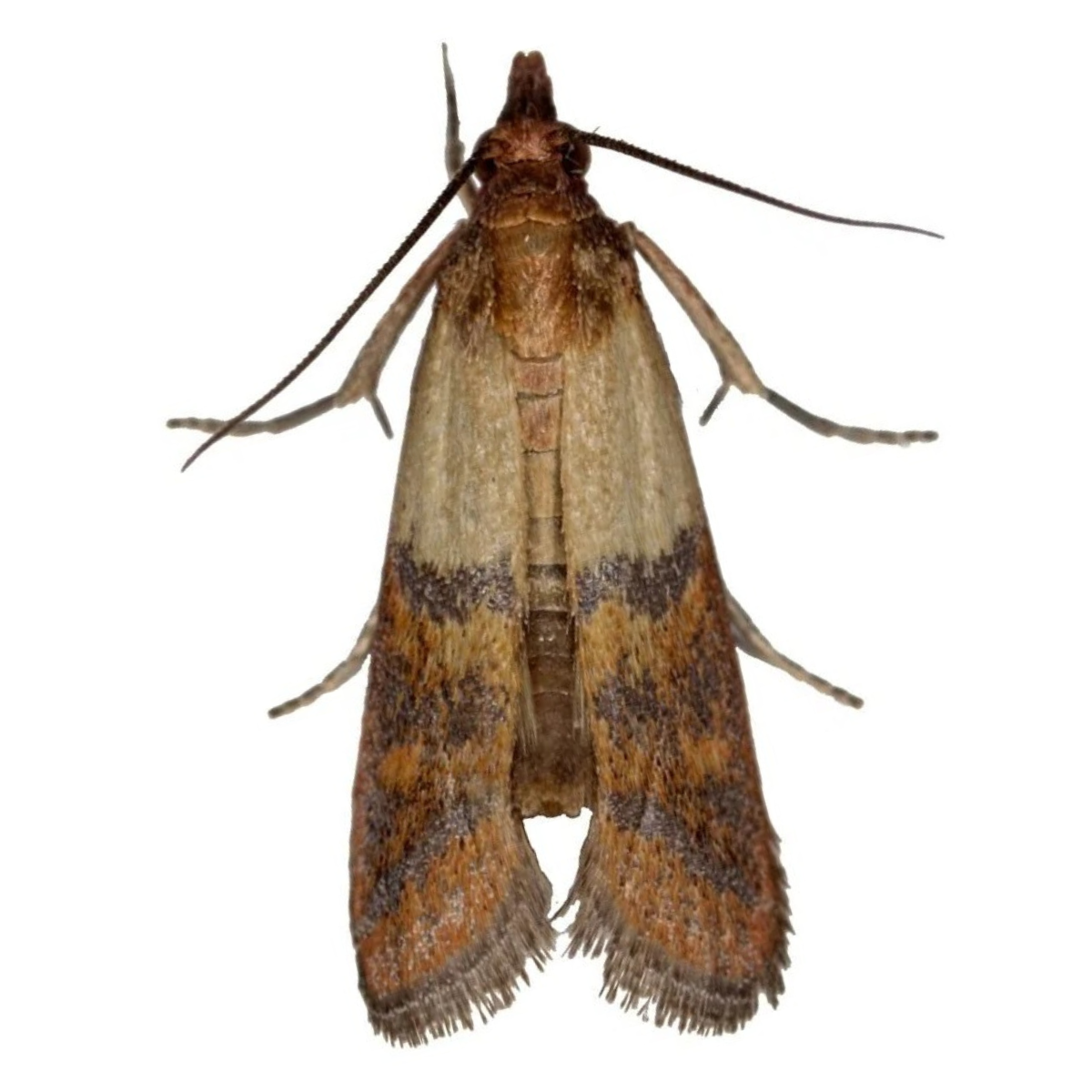
Clothes moths, carpet beetles and stored-product beetles damage textiles, grain and packaged food. Identification matters: the larva does the damage, not always the adult you spotted. We combine monitoring with targeted treatment and storage advice.

Rodents and moles

Rats, mice, squirrels and garden moles.

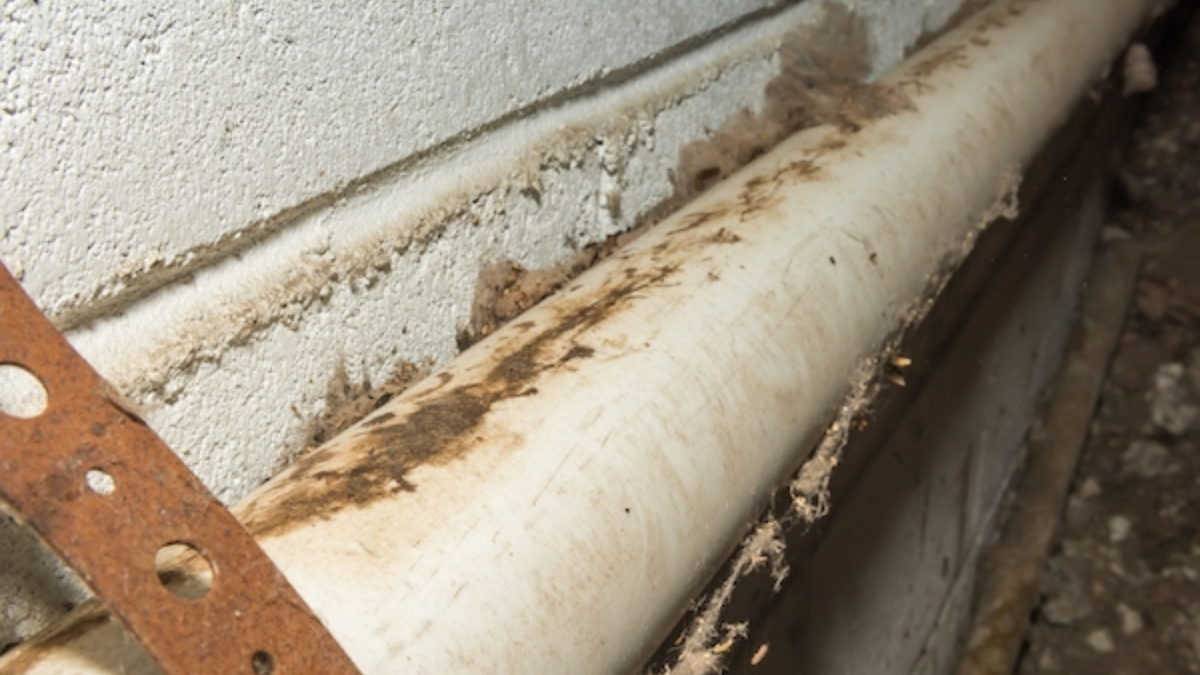
Rats are typically 20–25 cm including the tail, with blunt noses and coarse brown or grey fur. They climb, swim and leave capsule-shaped droppings around 20 mm long, plus greasy rub marks on regular routes. Mice leave rice-sized droppings and finer gnawing. Both contaminate food and surfaces and can spread illness including leptospirosis, Salmonella and Listeria.

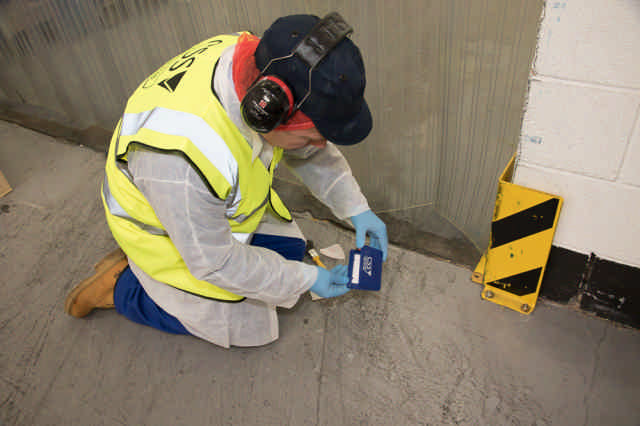
Under the Prevention of Damage by Pests Act 1949, occupiers are expected to keep premises reasonably free of rats and mice. We place secure bait stations, snap traps or multi-catch units on active runs, then proof gaps in walls, doors and drainage. UV tracking gel and infrared cameras show where animals are actually travelling.

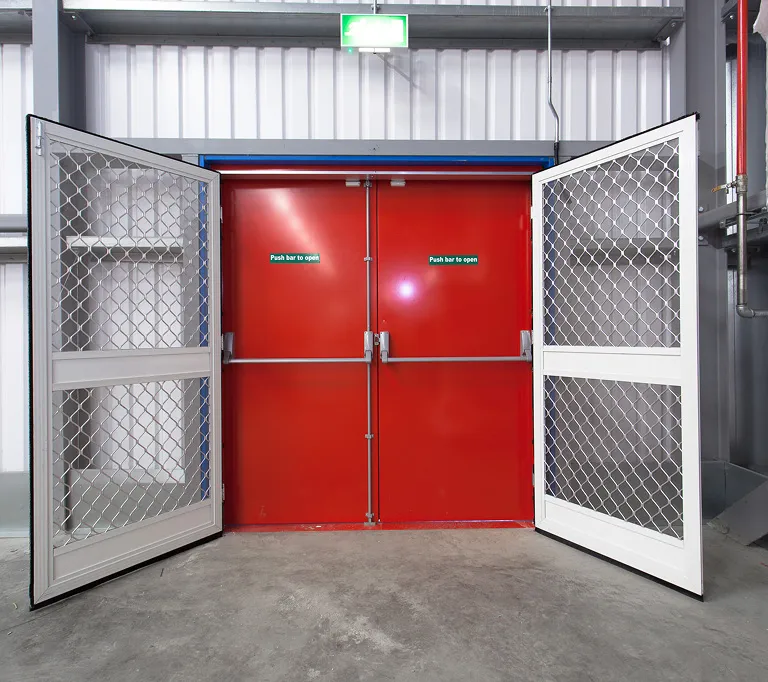
  • Proofing of doors, pipes and drains
  • CSS Alert Online sensors
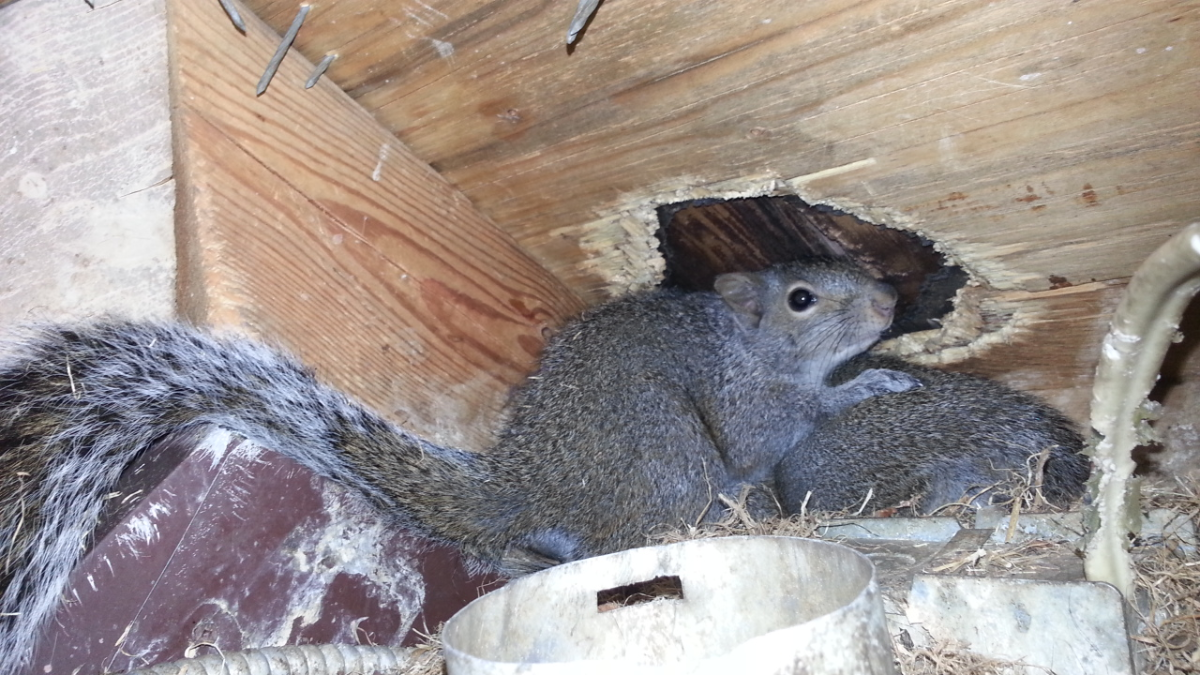
  • Squirrels in roof voids
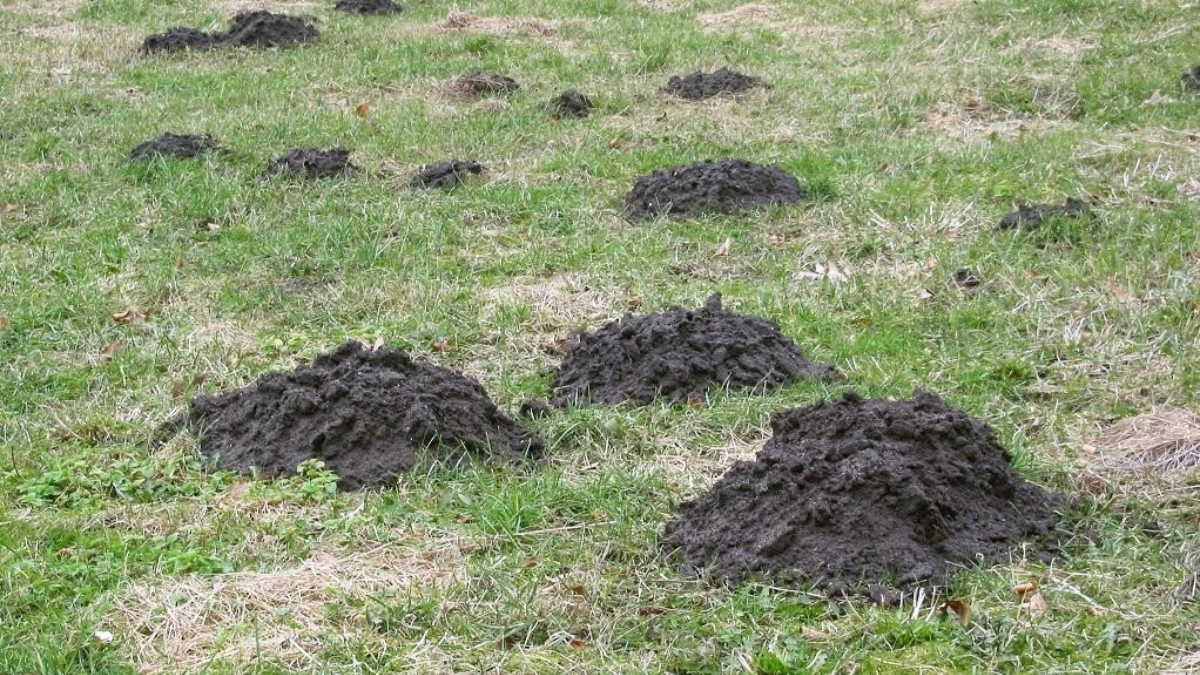
  • Mole activity on turf and grounds
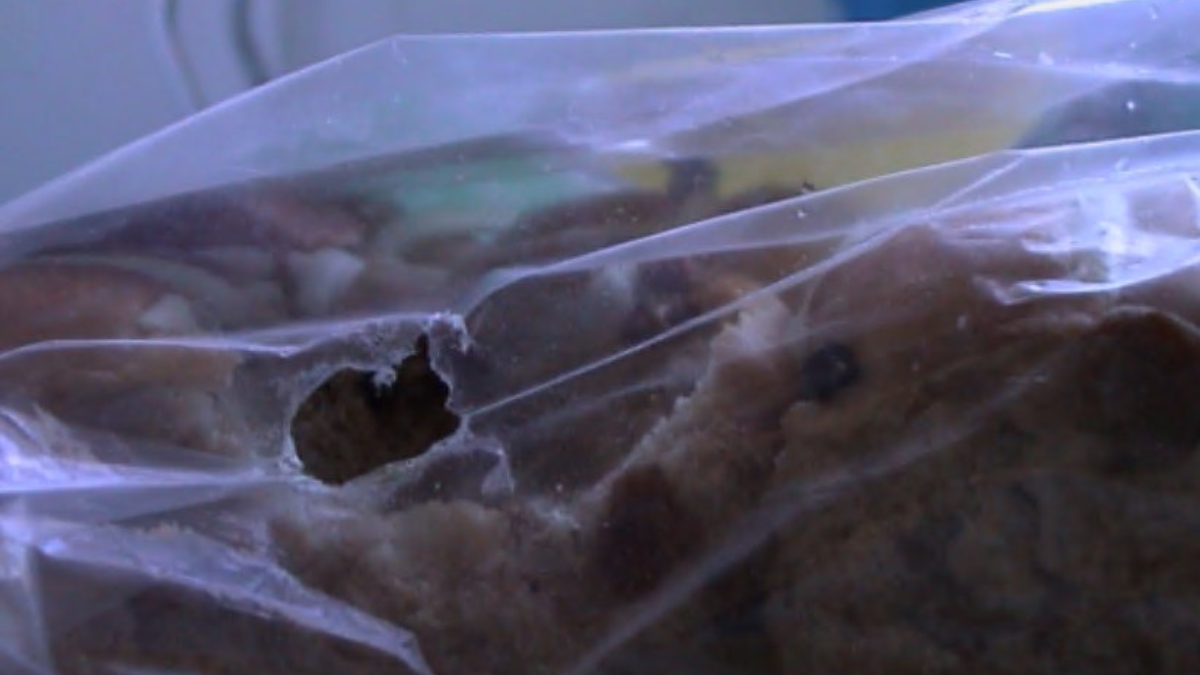
Grease marks left by rats along a pipe Chew marks from mice on stored material Squirrel in a roof space Molehills across a lawn

Bird control

Stop roosting without harming the birds.

Pigeons, gulls and starlings foul walkways, plant and stock. Droppings block gutters, stain facades and speed up building wear. The Health and Safety Executive notes disease risks linked to bird droppings, including psittacosis and Salmonella, so clearance needs the right equipment and training.

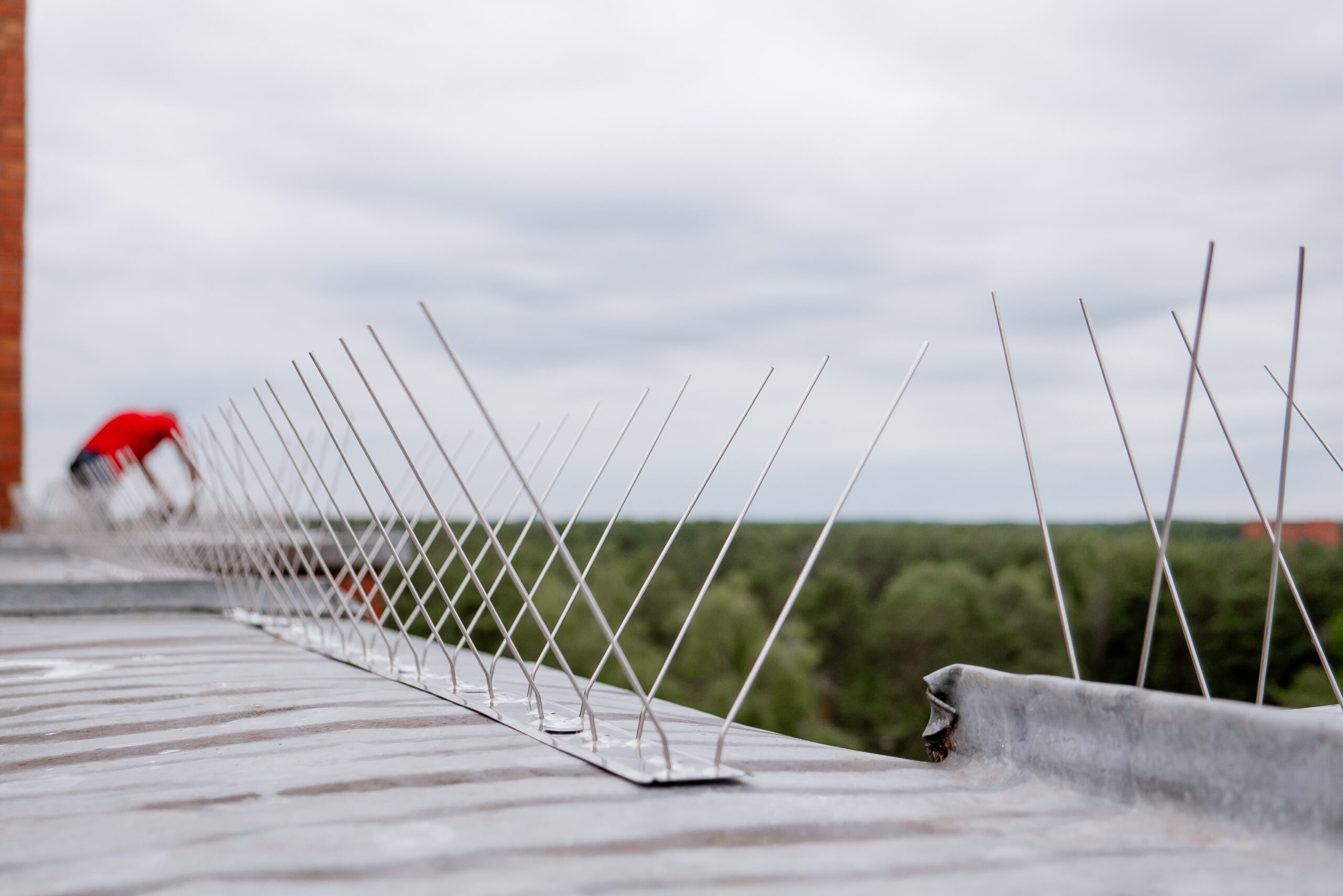
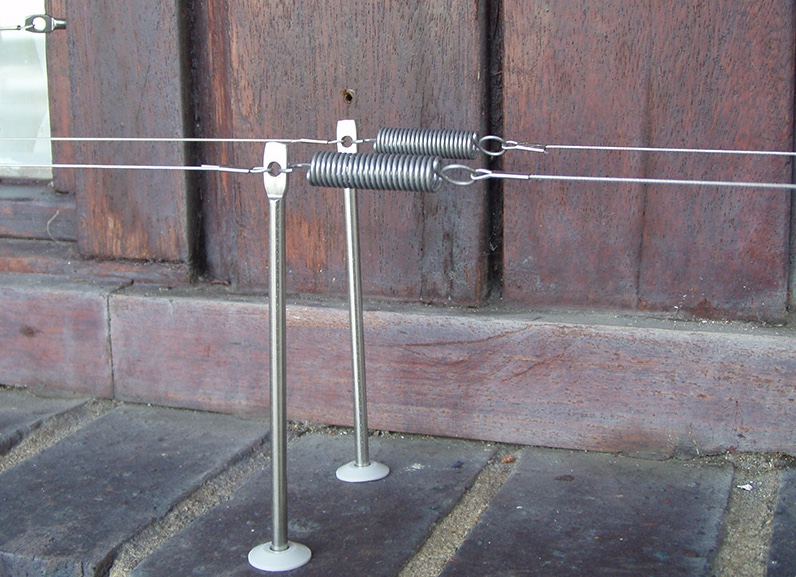
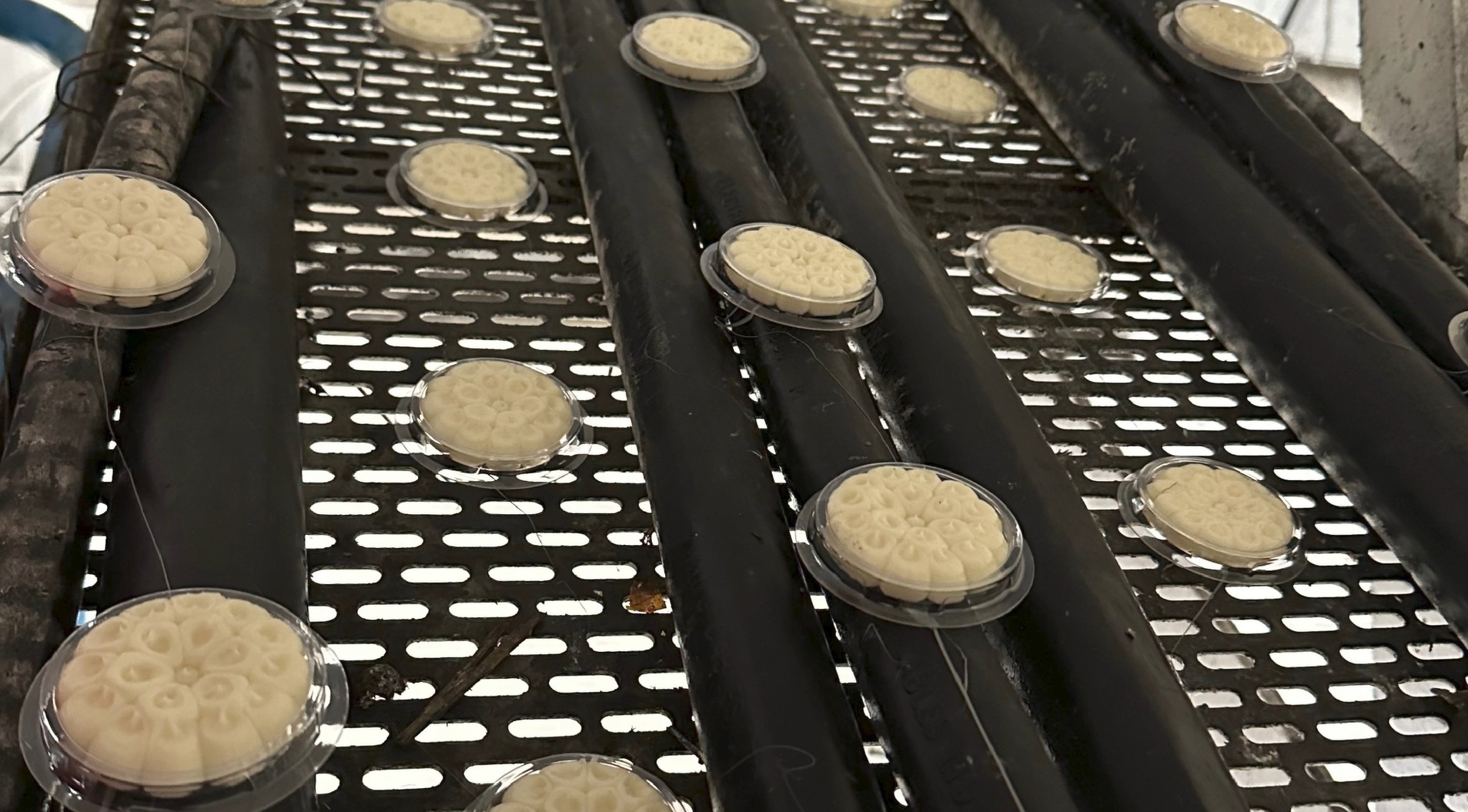
After a survey we match the system to the species, the pressure and the look of the building: spikes, netting, spring wire, optical gel or a timed laser. Correct fitting and maintenance keep ledges, roofs, signs and loading areas protected.

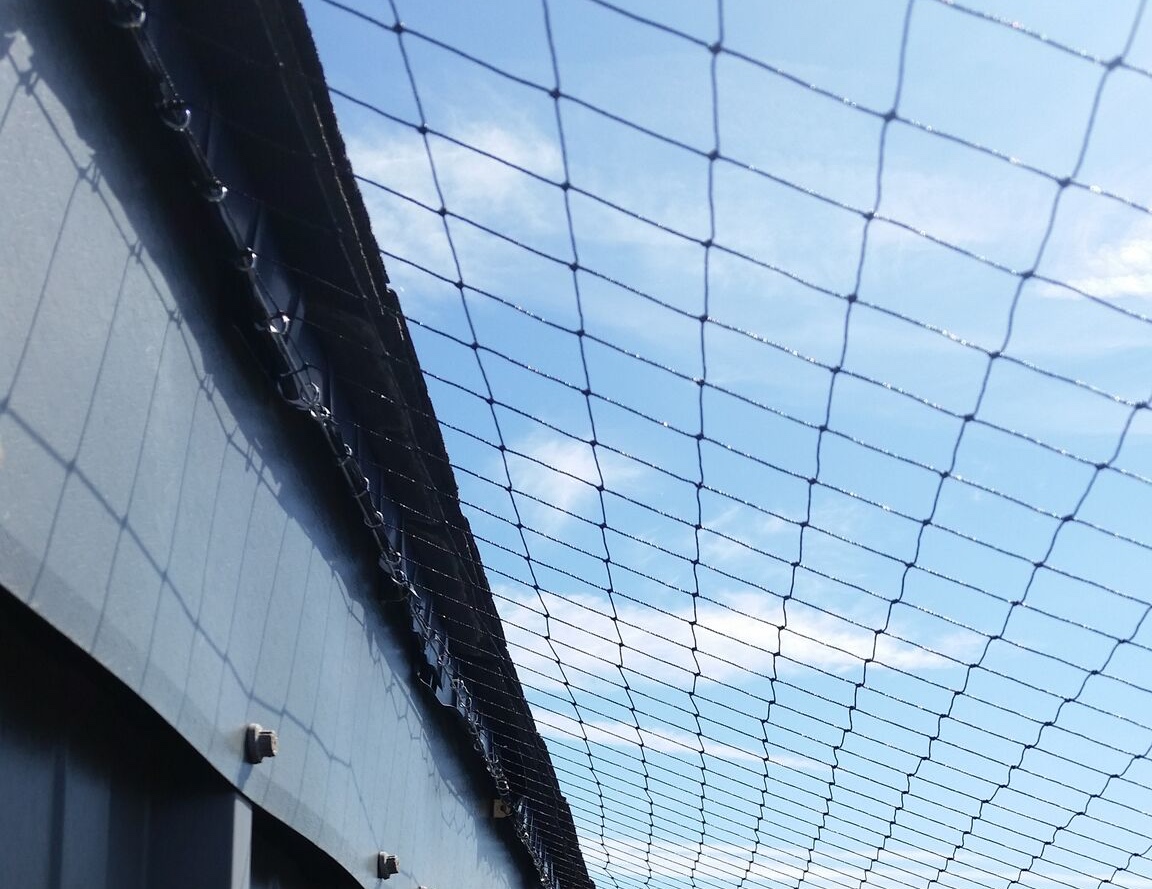
Bird netting installed across a roof
Bird spikes on a ledge
Spike systems for ledges and signs
Spring wire bird deterrent
Spring wire on narrow perches
Optical bird gel deterrent
Optical gel where spikes would show
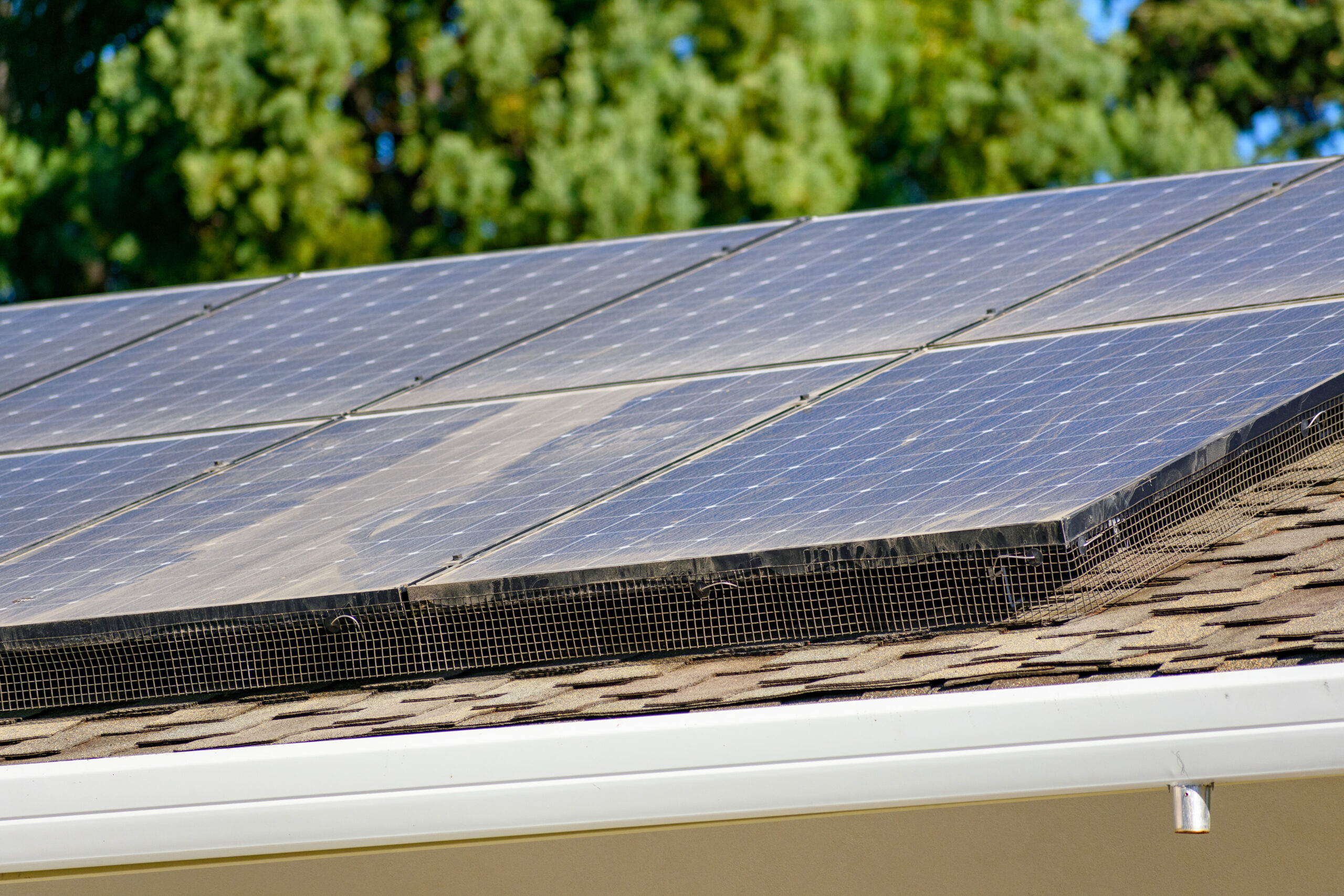
Protected solar installation
Protection for solar and plant
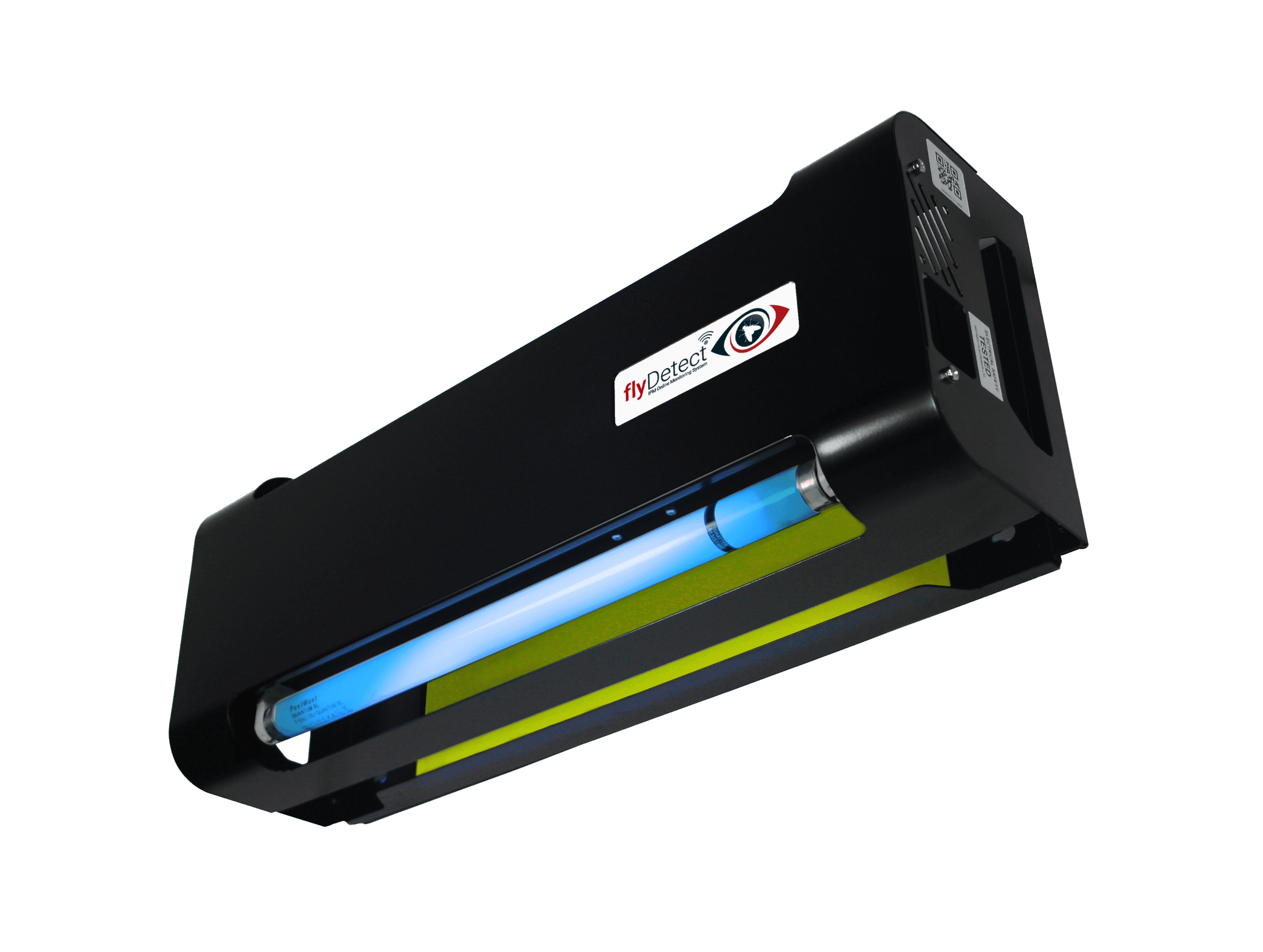
Electronic fly control units

Fly control

Hygiene risk, named and managed.

In food production and service, flies contaminate surfaces and stock. They follow waste, residues, moisture and warmth, and populations grow quickly if the source is ignored. We inspect, monitor, proof and treat in a way that stands up to audit.

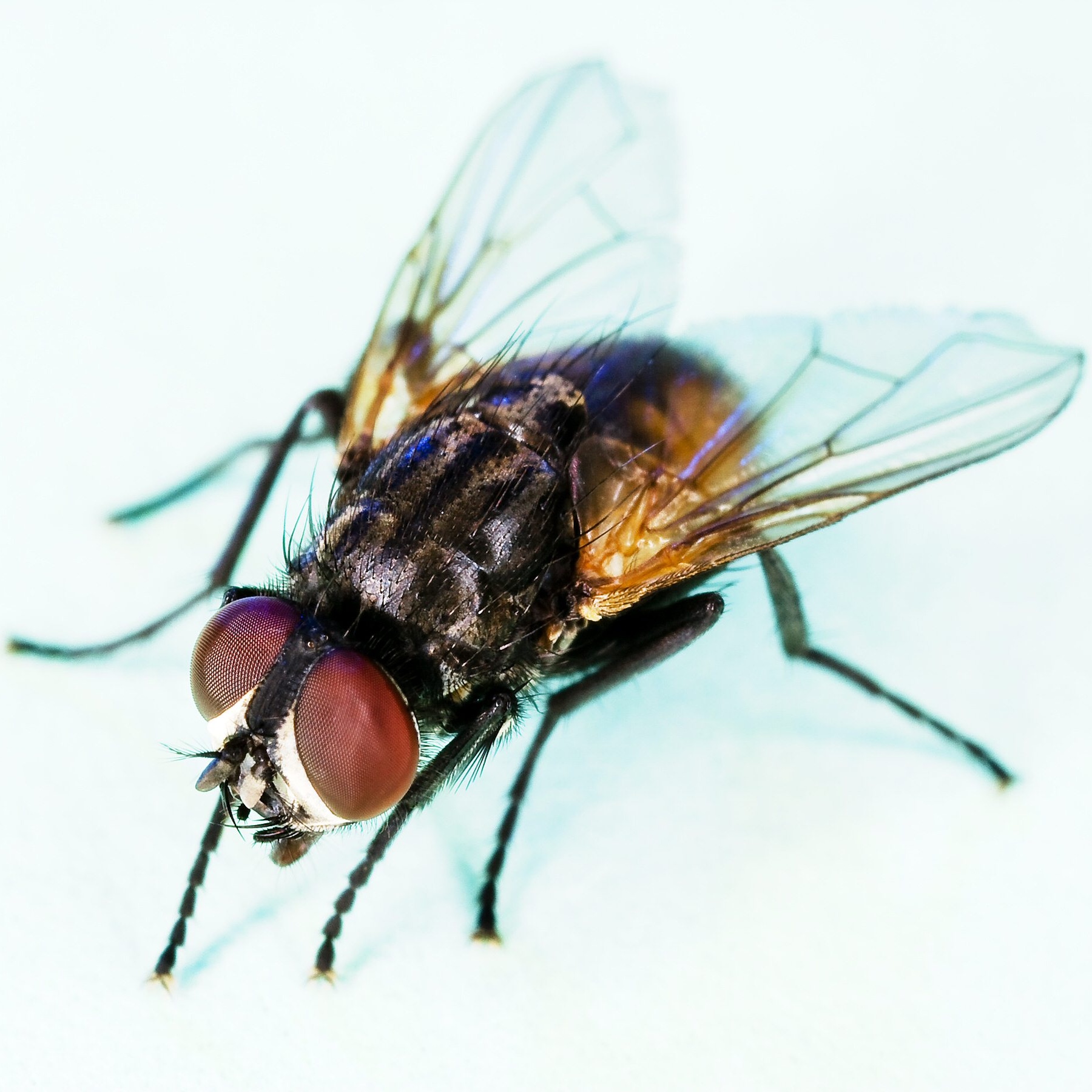
House fly

House fly

Grey, four dark stripes, 5–7 mm. Breeds around waste and can spread disease.

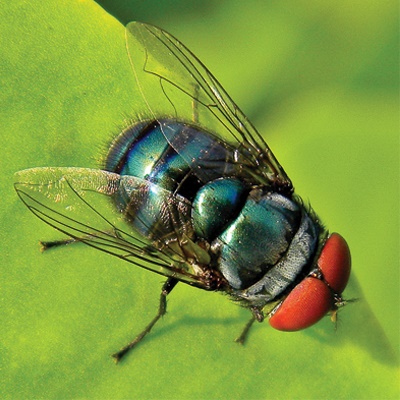
Blow fly

Blow fly

Metallic green, blue or black, up to 16 mm. Associated with decaying matter.

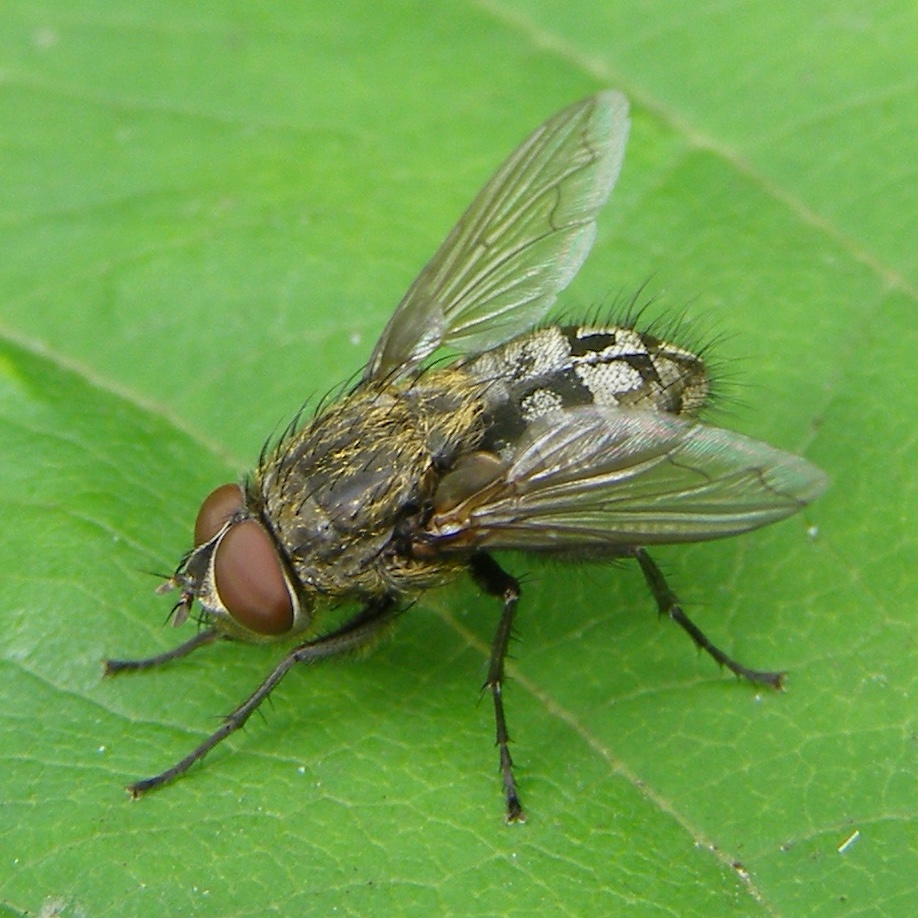
Cluster fly

Cluster fly

Slower, golden-haired flies that gather indoors as the weather cools.

Fly screens fitted to a doorway

Proofing

Screens, doors and electric units placed where they protect food, not the doorway traffic.

Not sure which pest it is?

Call or send photos. Identification is free, and it keeps the treatment matched to the insect or animal actually present.

Describe the problem